

@dexafitinc
The Foundation of Precise Health Testing—Backed By Science.
📌 Find our top resources and exclusive offers.
From the DexaFit Blog
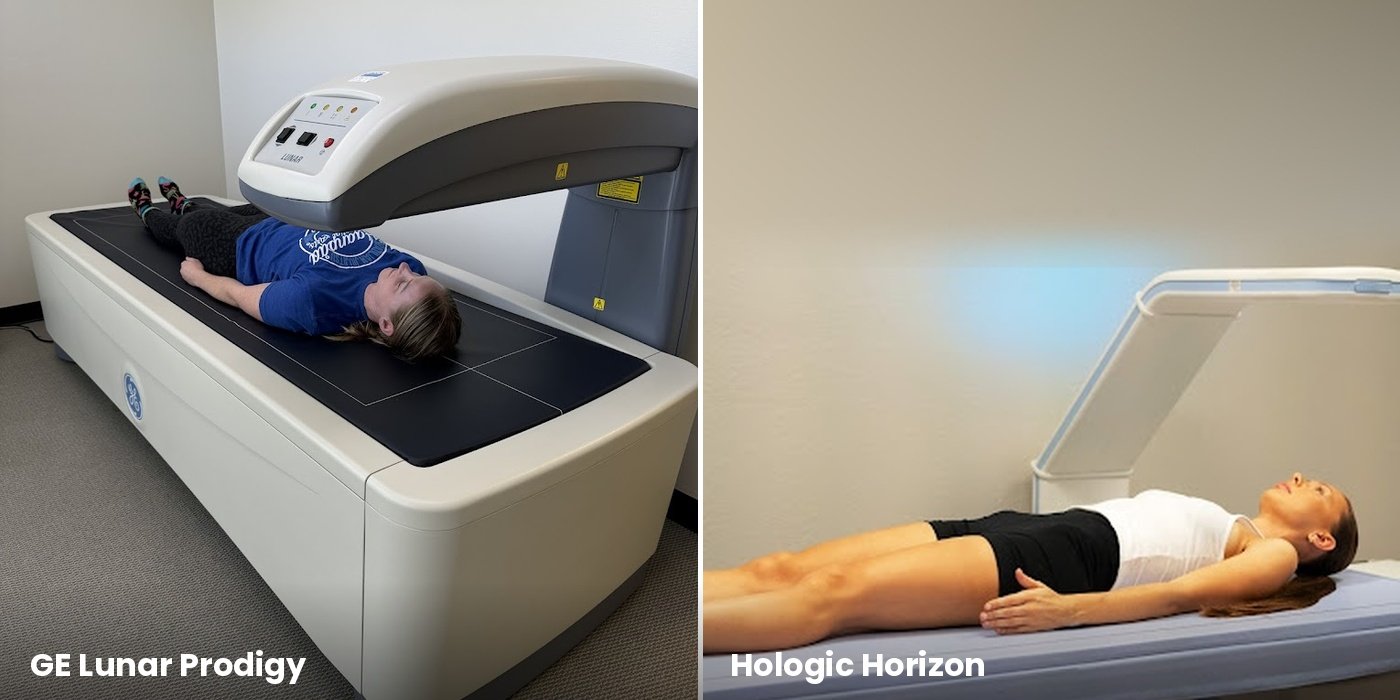
Your DEXA results are more consistent across locations than you think—if you know what to look for. Here's the data on what changes, what doesn't, and the one question that tells you everything.
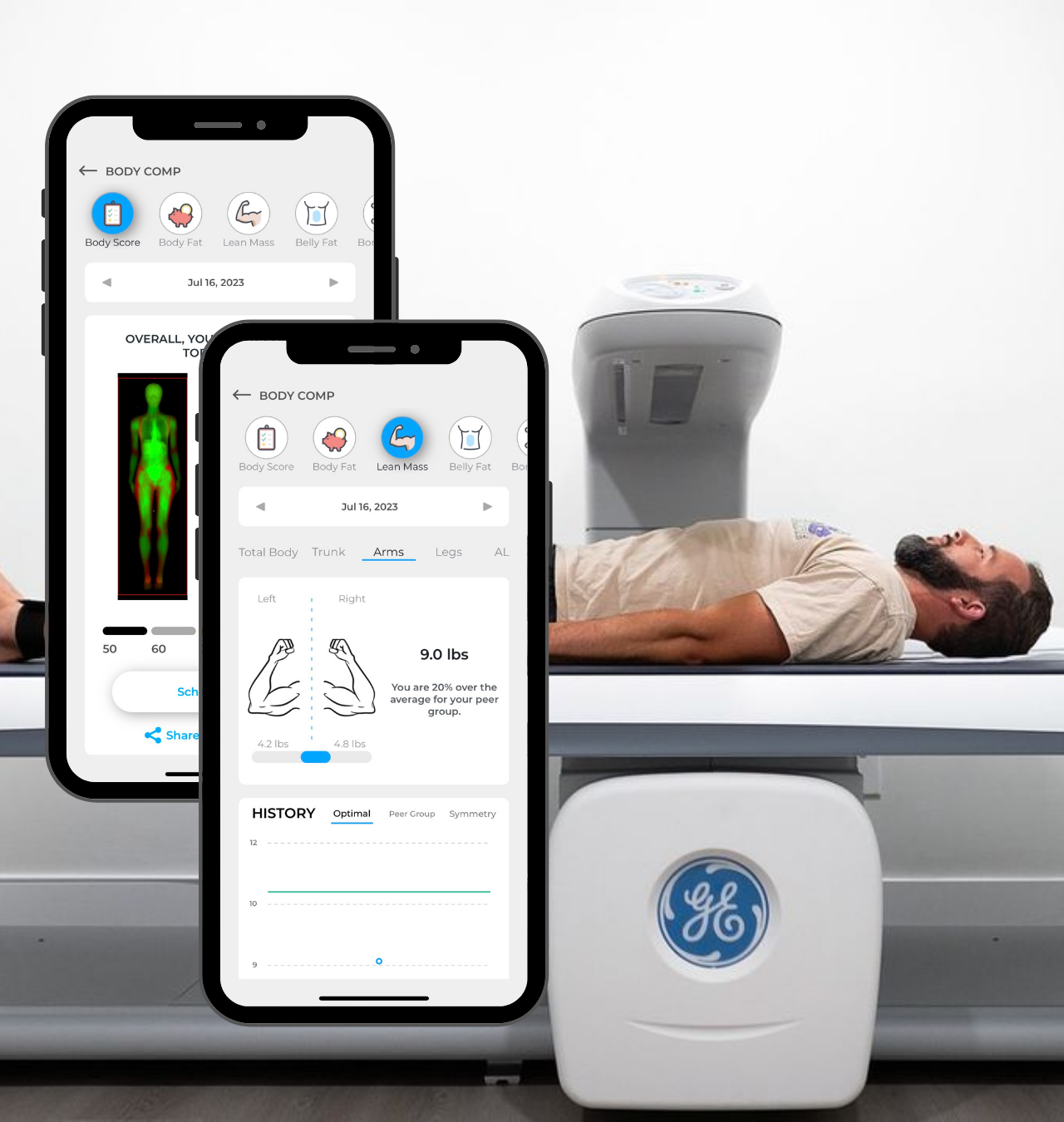
In 2025, DexaFit tracked real follow-up data across a global network to see what actually changes when people stop guessing and start measuring. The results reveal clear trends in body fat, visceral fat, lean mass, bone density, and VO₂ max—and what’s truly possible when progress is measured, not assumed.
60 Minutes brought longevity medicine into the spotlight, highlighting tools like DEXA scans and VO₂ Max testing as essential for building strength, healthspan, and resilience. For more than a decade, DexaFit has helped people access these same data-driven tests to understand their bodies and train for a longer, healthier life.

Mitochondria—your body’s cellular engines—power every heartbeat, thought, and movement. With age, their number and efficiency decline, while defects (heteroplasmy) rise. This mitochondrial fade drains energy, slows recovery, and raises disease risk. Training and VO₂ Max tracking can preserve and rebuild them.

VO₂ Max above 90 ml/kg/min is extremely rare, seen in athletes like Bjørn Dæhlie (96) and Oskar Svendsen (97.5). Genetics, massive stroke volume, dense capillaries, and years of intense aerobic training converge. High VO₂ Max matters, but efficiency and fractional utilization (Redline Ratio) define sustained performance.

Metabolic water is made inside your mitochondria every time oxygen meets hydrogen at the end of the electron transport chain. This pure, deuterium-depleted water hydrates cells from within, fuels enzymes and repair, and scales with VO₂ Max. Training your aerobic system means training your body’s own water supply.

VO₂ Max sets your aerobic ceiling, but performance depends on more than oxygen uptake. Endurance outcomes are determined by three levers: ceiling (VO₂ Max), usable fraction (threshold/Redline Ratio), and cost (economy/efficiency). Together, they dictate how much speed or power you can actually sustain.

Heteroplasmy—the fraction of mutated mitochondrial DNA—acts as a true clock of aging. As defective genomes rise, oxidative capacity, VO₂ Max, and metabolic water production fall. Crossing threshold levels disrupts gradients, accelerates decline, and raises disease risk. Training and light can reshape the mitochondrial pool.

Lactate isn’t just “the burn.” It’s both a marker of rising intensity and a valuable fuel. By pairing lactate thresholds (LT1/LT2) with ventilatory thresholds (VT1/VT2), athletes can define training zones, target the right systems, and improve performance through smarter, more efficient workouts.

Repeat-sprint ability (RSA) defines how well athletes sustain explosive efforts with short recoveries. VO₂ Max doesn’t set sprint speed but drives recovery—faster PCr recharge, quicker clearance, and less drop-off late in games. Elite performance blends aerobic capacity with targeted RSA training.

Low VO₂ Max is a stronger predictor of early death than smoking, diabetes, or hypertension. Massive studies show every small increase in VO₂ Max lowers mortality risk, with no upper limit to the benefits. For independence, aim for ~20 ml/kg/min; for longevity protection, 40+ is the sweet spot.

VO₂ Max isn’t just about performance—it’s your aerobic reserve. Higher VO₂ Max improves recovery from illness, surgery, and stress by providing more energy for immune function, healing, and rehab. Patients with higher VO₂ Max have fewer complications, shorter hospital stays, and better outcomes.

VO₂ Max naturally declines with age—about 10% per decade after 30. But research shows that 50–70% of this decline is preventable with consistent aerobic training. Zone 2 and Zone 4 workouts can preserve heart function, mitochondria, and muscle, keeping VO₂ Max above the independence threshold (20 ml/kg/min) well into later decades. In other words, aging lowers your ceiling—but training decides how steep the slope gets.